
If you have looked into PrEP and stopped when you saw the price, you are not alone. A lot of people assume that HIV prevention medicine is out of reach without insurance. In Florida, it usually is not. Between federal rules, state programs, manufacturer assistance, and community clinics like ours, most people who want PrEP can get it at little or no cost.
Here is a plain-language guide to what PrEP is, what it actually costs in 2026, and how to start it in Florida when you do not have coverage.
The short version
- PrEP reduces the chance of getting HIV from sex by about 99 percent when taken as prescribed.
- With almost any insurance plan, PrEP and its visits and labs are free under preventive care rules.
- Without insurance, state programs, manufacturer assistance, and clinics like DUG usually bring the cost to little or nothing.
- No insurance is required to be seen at any DUG clinic.
What PrEP is, in one paragraph
PrEP stands for pre-exposure prophylaxis. It is medicine you take before any possible exposure to HIV, so that if you are exposed, the virus cannot take hold. According to the Centers for Disease Control and Prevention, PrEP reduces the chance of getting HIV from sex by about 99 percent when it is taken as prescribed, and by at least 74 percent for people who inject drugs. It is for people who do not have HIV. That is why a negative HIV test is always the first step.
PrEP is no longer just one pill
When PrEP first arrived, there was one option. In 2026 there are several, and the right one depends on your body, your schedule, and what you can access. CDC currently describes these choices:
- Daily pills. Two options, taken once a day. Your provider will decide which is appropriate based on your health history and the type of sex you have.
- Shots every two months. A long-acting injection given by a provider, for people who would rather not take a daily pill.
- Shots every six months. The newest option, an injection given twice a year. The FDA approved injectable lenacapavir for PrEP in June 2025, and CDC now includes it among recommended choices.
Not every option is available at every clinic or through every assistance program yet. A provider can tell you what you can realistically start on this month, which matters more than what exists on paper.
Good to know
PrEP protects against HIV. It does not prevent other sexually transmitted infections or pregnancy. Condoms, regular STD testing, and, for some people, doxyPEP round out the picture. Our PrEP, PEP, and doxyPEP services page explains how they fit together.
So what does PrEP actually cost without insurance?
The sticker price of PrEP medication can look alarming, often more than a thousand dollars a month for brand-name versions. Almost nobody pays that. Here is what shapes your real cost.
If you have any insurance at all
Under the Affordable Care Act, PrEP must be free under almost all health plans. That includes the medication, the clinic visits, and the lab tests needed to keep your prescription going. HealthCare.gov lists HIV prevention among covered preventive services. If you have a plan and are being charged, that is worth questioning. Our front desk can help you look at it.
If you have no insurance
You still have several paths, and they can be combined:
- Florida Department of Health PrEP services. The state has worked to expand PrEP access across all 67 counties, and county health departments take part.
- Manufacturer patient assistance. The companies that make PrEP medications run co-pay and medication assistance programs. CDC notes that income is not a factor in eligibility for the co-pay programs.
- State and local PrEP assistance programs. Some cover medication, some cover visits and labs, some cover both.
- Community health centers and clinics like DUG. No insurance is required to be seen, and federally funded health centers are searchable nationwide.
- Florida Medicaid. If you qualify, PrEP is covered. It is worth checking even if you assume you will not qualify.
Eligibility details are on the Florida Department of Health PrEP and PEP page, NASTAD’s state-by-state directory of PrEP assistance programs, and the HRSA health center finder.
The part people underestimate is the lab work and follow-up visits, which continue for as long as you are on PrEP. When you compare options, ask what is covered beyond the medication itself. At DUG, we walk you through the full picture before you commit to anything, and you can review our patient resources and pricing information any time.
Starting PrEP at DUG: what the first visit looks like
There is no long intake process and no lecture. A typical first visit runs about 30 to 45 minutes.
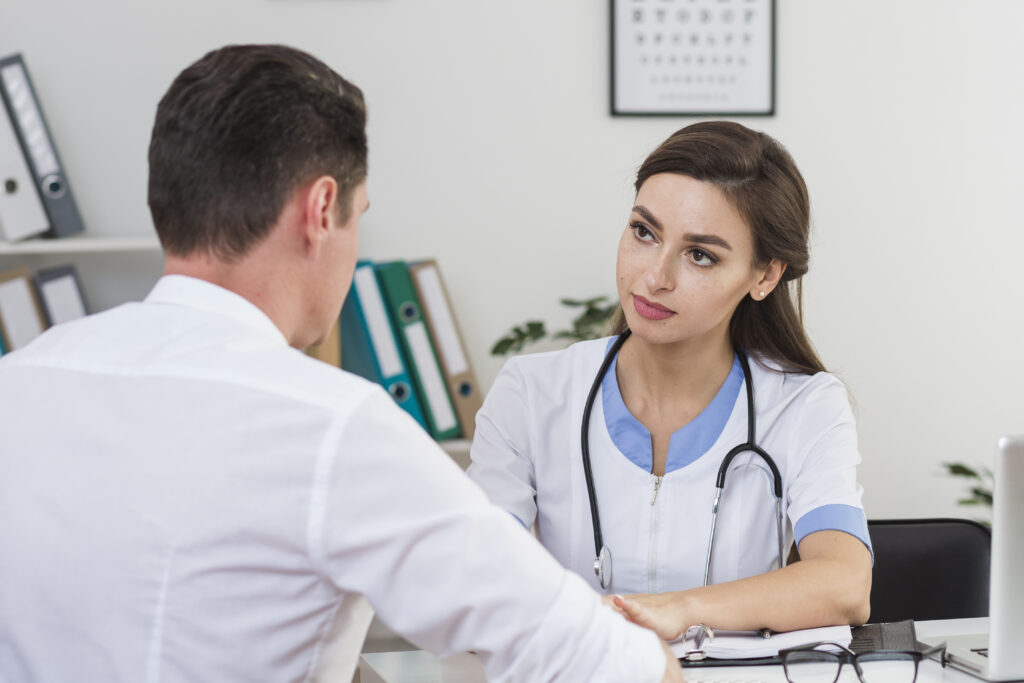
- A conversation. A provider asks about your health history and your reasons for wanting PrEP. You do not have to justify anything. CDC guidance is clear that PrEP should be prescribed to anyone who asks for it.
- An HIV test. Required before starting, because PrEP alone is not the right treatment for someone who already has HIV. Our rapid tests often give results the same day. If you have had a recent possible exposure, timing matters, and our guide to the HIV testing window period explains why.
- Baseline labs. Kidney function, hepatitis B status, and screening for other STIs. These are standard and they set the baseline we compare against later.
- Your prescription and your paperwork. If PrEP is right for you, we prescribe it and start any assistance applications you need at the same visit.
- A follow-up plan. You will know your next appointment date before you leave.
Staying on PrEP
PrEP works when there is enough medicine in your body. CDC notes that for receptive anal sex, daily pills reach maximum protection at about seven days, and for receptive vaginal sex and injection drug use, at about 21 days. Missing doses lowers protection.
You will come back periodically for HIV testing, lab work, and refills or shots. Many follow-ups can be handled by telehealth, which helps if you work hours that make daytime appointments hard. If side effects come up, they are usually mild and short-lived, and a provider can talk you through what is typical and what is worth a call. If PrEP is part of a bigger health picture for you, our primary care team can keep it all in one place.
Possible exposure in the last 72 hours? Do not wait for PrEP.
PrEP is for ongoing prevention. If you may have been exposed to HIV in the past three days, the right medicine is PEP, and it has to be started as soon as possible. Call DUG at (877) 384-6337 or read about our PEP services. Every hour counts.
Who might want to think about PrEP
CDC suggests talking to a provider about PrEP if you do not have HIV and any of the following apply. You may also choose PrEP even if none of them do.
- You have had anal or vaginal sex in the past six months and have a partner living with HIV, especially if their viral load is unknown or detectable.
- You have not consistently used condoms with partners whose status you do not know.
- You were diagnosed with a sexually transmitted infection in the past six months.
- You inject drugs and share needles, syringes, or other equipment, or have an injection partner living with HIV.
- You have been prescribed PEP more than once, or expect ongoing exposure after finishing a course of PEP.
PrEP may also be an option during pregnancy or while breastfeeding. That is a conversation to have with a provider who knows your full history.

Privacy, judgment, and the reasons people wait
Cost is not the only barrier. Plenty of people put off asking about PrEP because they do not want to explain their sex life to a stranger, or because they worry about who might find out. Your visit and your records at DUG are confidential, and our staff are trained to be discreet. You can read more about our approach on our confidential care page. We welcome people of every background and partners of any gender. Our South Florida clinics have bilingual staff, so you can have this conversation in the language you are most comfortable with.
Where to start PrEP in Florida
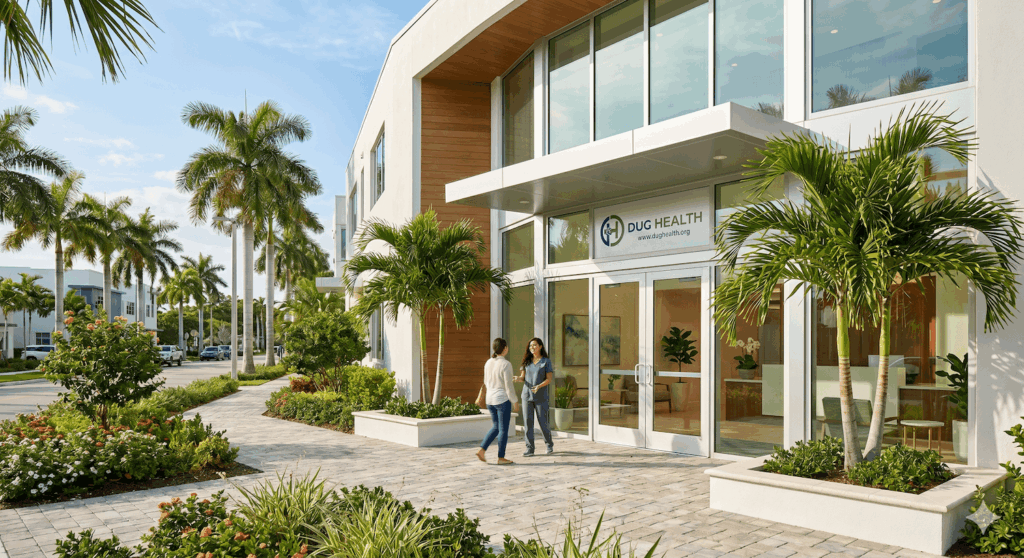
DUG provides PrEP consultations, testing, and ongoing monitoring at all seven of our Florida locations, plus telehealth follow-ups statewide:
- Miami 6209 NW 18th Ave, Miami, FL 33147
- Hialeah 2150 W 76th Street, Suite 100, Hialeah, FL 33016
- Miami Springs 5245 NW 36th Street, Suite 5257, Miami Springs, FL 33166
- Dania Beach 329 S Federal Hwy, Dania Beach, FL 33004
- Orlando 3300 W Colonial Dr, Suite 142, Orlando, FL 32808
- Tallahassee 2650 Municipal Way, Tallahassee, FL 32304
- Milton 6044 Doctors Park Rd, Milton, FL 32570
Hours and services vary slightly by site. Check the Find a Clinic page for the location nearest you, or learn more about our PrEP and PEP services.
Frequently asked questions
Yes. Florida has expanded PrEP access through county health departments, manufacturer assistance programs cover many uninsured patients, and community clinics including DUG provide PrEP without requiring insurance. The main step is getting seen and tested so a provider can prescribe it.
For most people it costs little or nothing. With insurance, preventive coverage rules mean PrEP medication, visits, and labs should be free. Without insurance, assistance programs frequently bring the medication cost to zero, and clinics can reduce or eliminate visit and lab costs. Ask specifically about labs and follow-ups, not just the pills.
Appointments are recommended so we can allow enough time for testing and labs, but walk-ins are welcome for many services at our clinics. You can book online or call (877) 384-6337.
Your care is confidential. If you are on a family insurance plan, explanation of benefits statements can sometimes be visible to the policyholder, which is one reason some people choose to receive PrEP through a clinic program instead. Tell us if this is a concern and we will talk through your options.
For as long as it is useful to you. Some people take PrEP for a season of their life and stop. Talk to your provider before stopping so it can be done safely, especially if you have hepatitis B.
No. PrEP is taken before exposure, on an ongoing basis. PEP is emergency medicine started within 72 hours after a possible exposure and taken for 28 days. Our PrEP and PEP services page explains the differences.
Take the next step
PrEP consultations, testing, and monitoring. No insurance required. Bilingual staff in South Florida.
Medical disclaimer
This article is for informational purposes only and is not a substitute for professional medical advice. Always consult a licensed clinician for personal health concerns.
References
Sources are limited to government and nonprofit health authorities.
- Preventing HIV with PrEP. Centers for Disease Control and Prevention, updated April 2026.
- Clinical Guidance for PrEP. CDC HIV Nexus.
- CDC Recommends New Injectable HIV PrEP. HIV.gov, U.S. Department of Health and Human Services.
- PrEP and PEP. Florida Department of Health.
- Preventive Care Benefits for Adults. HealthCare.gov, Centers for Medicare and Medicaid Services.
- State PrEP Assistance Programs. NASTAD.
- Find a Health Center. Health Resources and Services Administration.